Markets, Orders, and Leverage
Reading a chart is only part of trading. You must also understand what product you are trading, how your order reaches the market, and how much risk the position creates.
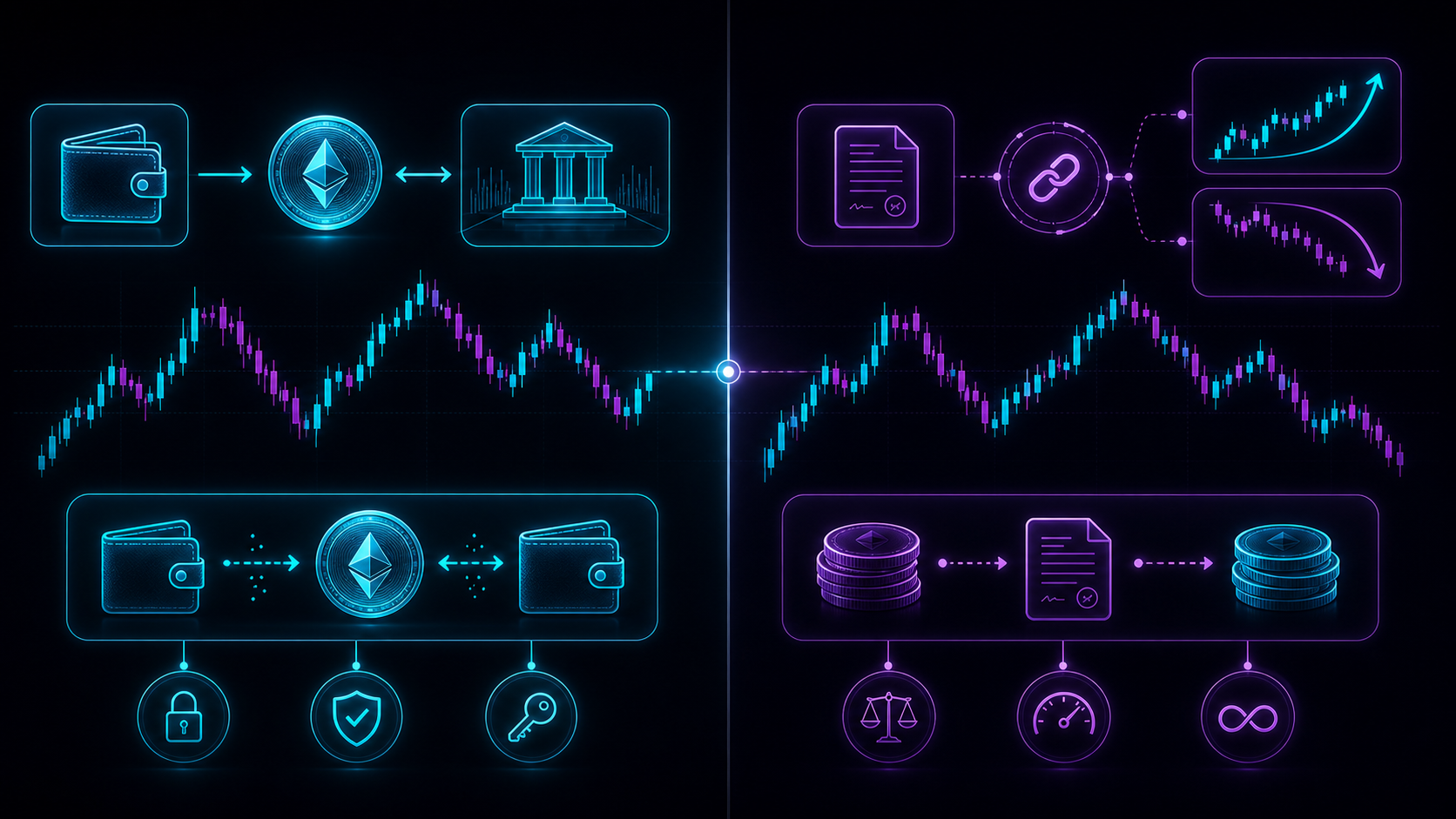
Read these articles in order. Do not use leverage until you can clearly explain position size, margin, liquidation, and maximum account loss.
Understand the Products
- Spot vs Futures Trading
- How Spot and Futures Markets Affect Each Other
- Perpetual Futures and Funding Rates
Understand Leveraged Risk
Trade Both Directions Deliberately
Understand Execution
What You Should Be Able to Do Afterwards
You should be able to:
- explain what you own in spot and what a futures contract represents;
- distinguish exposure, margin, and account risk;
- explain why leverage magnifies outcomes but does not improve a setup;
- describe how liquidation differs from a planned stop loss;
- choose isolated or cross margin deliberately;
- understand long and short mechanics;
- select an order type based on execution priorities;
- include spread, fees, slippage, and liquidity in a trading plan.
The Core Safety Principle
Before every order, know:
- the exact instrument;
- the total notional position size;
- the entry and invalidation prices;
- the maximum intended account loss;
- the fees, spread, and possible slippage;
- whether liquidation can occur before your planned exit.
If one of these is unclear, the position is not ready.
Practice With ZenAlgo
Use the trial to compare spot and perpetual charts, observe participation with Bender and Advanced Open Interest, and practice planning orders without risking capital.
Continue with Risk Management before committing meaningful capital. Later, use Journaling and Metrics to record whether order type, slippage, margin mode, and leverage choices helped or harmed execution.
Derivatives and leveraged products can cause rapid losses and liquidation. This material is educational only and is not financial advice.